Grit, Systems, and Synergy: The Winning Formula Behind Harvick Motorsports' Culture of Excellence
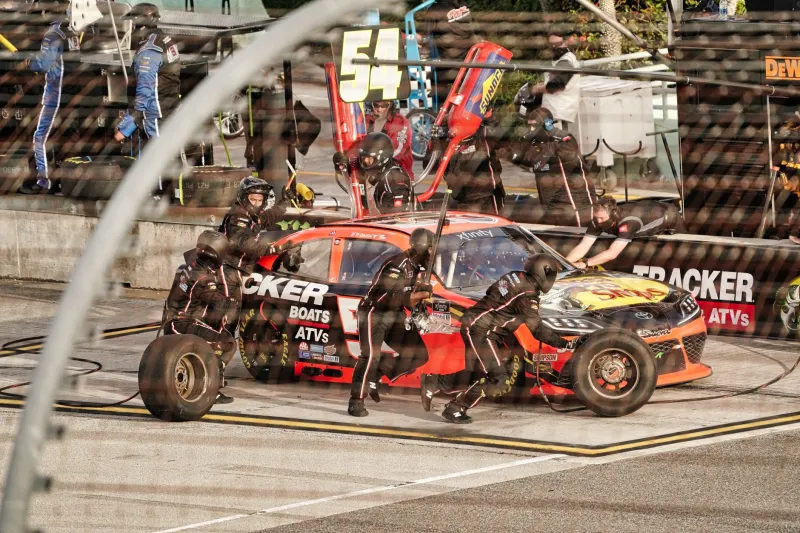
There's a version of success in racing that looks glamorous from the outside — flashy sponsors, big-budget haulers, and a roster of talent that practically sells itself. Then there's the kind of success that gets built in the quiet hours before the rest of the paddock wakes up. The kind that comes from a crew chief double-checking tire pressures at midnight, a driver watching lap data until his eyes blur, and an ownership group that treats every dollar like it's the last one in the account.
That second kind? That's the Harvick Motorsports way.
What's emerged from years of competition at the highest levels of American motorsport isn't just a winning record — it's a repeatable framework. A blueprint that ambitious teams at every level of the sport are starting to pay close attention to.
It Starts With the Driver, But It Doesn't End There
Talk to anyone who's spent time around a truly elite racing operation and they'll tell you the same thing: the driver is the tip of the spear, but the whole weapon has to be sharp. Kevin Harvick built his reputation on being one of the most complete racers of his generation — a guy who could manage a long run, execute a late-race restart, and still find something extra when the checkered flag was in sight. But what separated him from other talented drivers was how deeply he invested in the infrastructure around him.
Harvick was never content to just show up and drive. He wanted to understand the car. He wanted to be in the conversation about setup decisions, strategy calls, and resource allocation. That level of engagement forced everyone around him to raise their game. When your driver is asking the kind of questions that make engineers uncomfortable, you either get better or you get left behind.
The lesson for climbing teams? Driver development isn't just about logging seat time. It's about cultivating a mindset where the driver becomes a genuine technical partner — someone who closes the feedback loop between the cockpit and the garage.
Attention to Detail as a Competitive Weapon
In a sport where races are decided by fractions of a second, the difference between a good team and a great one often lives in the margins. Tire degradation data that gets reviewed one more time. A pit stop sequence that gets practiced fifteen reps instead of ten. A fuel strategy that accounts for a caution that hasn't happened yet.
Harvick Motorsports built a culture where those extra reps, those late-night reviews, those what-if conversations aren't considered above and beyond — they're just standard operating procedure. It's not about working harder for the sake of it. It's about recognizing that in racing, the team that eliminates the most preventable mistakes wins more races than the team with the biggest budget.
This obsession with process extends to how the team evaluates its own performance. Post-race debriefs aren't celebrations or blame sessions. They're honest, structured reviews of what the data showed versus what the team expected — and why the gap existed. That kind of systematic self-assessment is rare in motorsport, where egos can make honest feedback feel like a personal attack. Building a culture where the truth is always welcome is genuinely hard. But it's also genuinely worth it.
Smart Resource Allocation Over Checkbook Racing
Here's something the big-money operations don't always want you to know: throwing dollars at a problem is often the laziest solution. Harvick Motorsports has consistently demonstrated that thoughtful resource allocation — knowing exactly where an investment will return value on the track — beats raw spending in a lot of situations.
That might mean prioritizing aerodynamic testing over a flashier pit lane setup. It might mean investing in simulation tools that let the team pre-solve setup challenges before the car ever rolls off the transporter. It might mean spending on crew training and retention rather than constantly cycling through new faces who need time to gel.
The teams that climb the fastest in American racing today aren't necessarily the ones with the most money. They're the ones with the clearest sense of where their money does the most work. That kind of strategic clarity is a skill in itself — and it's one that Harvick Motorsports has sharpened over years of competing at every budget level.
The Synergy Factor: When Team Chemistry Becomes a Lap-Time Advantage
You can't put team chemistry on a spec sheet, but you can absolutely feel it when it's working. There's a rhythm that elite racing teams develop — a shorthand between driver and crew chief, a trust between the pit crew and the strategist, a shared language that lets the whole operation move faster and smarter under pressure.
Building that synergy doesn't happen by accident. It requires intentional communication structures, honest conflict resolution, and leadership that's willing to be transparent about goals, challenges, and expectations. Harvick's teams have historically excelled at this, creating environments where everyone from the tire changer to the team manager feels ownership over the outcome.
When something goes wrong on pit road — and in racing, something always eventually goes wrong — a high-synergy team responds differently than a fractured one. There's no finger-pointing, no hesitation. Just a rapid collective pivot toward solving the problem. That kind of cohesion under pressure is genuinely priceless, and it's something that only gets built through consistent investment in the people side of the operation.
What Other Teams Can Actually Take Away
The Harvick Motorsports model isn't some proprietary secret that only works at the top tier. The core principles — driver engagement, process obsession, smart spending, and team chemistry — are scalable. They apply whether you're running a regional late model program or chasing a national championship.
Start with honesty. Honest data review, honest performance assessment, honest conversations about where the team is actually falling short. Build systems around that honesty so the feedback loop between the car, the driver, and the crew gets shorter and faster with every race weekend.
Then invest in people before you invest in equipment. A highly skilled, tightly bonded crew operating a good car will outperform a mediocre crew in a great car more often than the equipment guys want to admit.
And finally, embrace the grind. The teams that sustain success in American motorsport aren't the ones that find a shortcut. They're the ones that commit to the work when nobody's watching — in the shop at 11 PM, in the debrief on a Monday morning, in the simulator session that could have easily been skipped.
That's the Harvick effect. Not magic. Not money. Just a relentless, disciplined commitment to doing the work right — every single time.