Wired and Worn Out: The Sleep Crisis Nobody in Racing Wants to Talk About
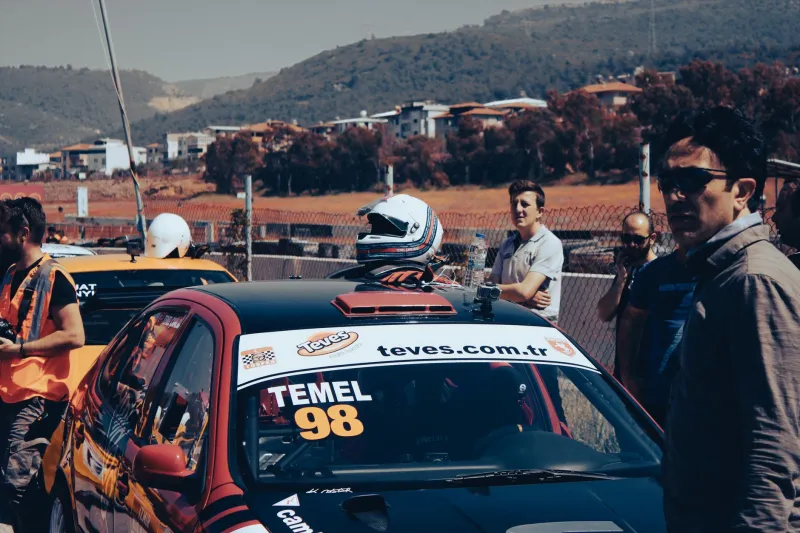
There's a version of motorsports glory that gets plastered on posters and highlight reels — the checkered flag, the champagne spray, the roar of the crowd. What doesn't make the cut? The 22-year-old development driver sitting in a hotel room at 1 a.m., eyes burning, scrolling through 47 pages of telemetry data before a 6 a.m. track walk. That part stays behind closed doors.
But sports scientists, team physicians, and a growing number of drivers themselves are starting to say that the silence around sleep deprivation in American racing isn't just uncomfortable — it's dangerous. And it might be costing teams championships they don't even realize they're losing.
The Schedule Nobody Talks About
Ask any driver on the lower rungs of the American racing ladder what a typical race weekend looks like, and the answers start to blur together. Travel on Thursday, maybe Wednesday if it's a long haul. Media obligations Friday morning, practice sessions stacked through the afternoon. Sponsor dinners that run past 10 p.m. Strategy meetings after that. Then do it all again Saturday, only faster, with more pressure.
For drivers competing in series like IMSA, IndyCar's feeder programs, or the various NASCAR development leagues, this isn't a once-in-a-while grind — it's the calendar from February through November.
"The culture has always been that if you're tired, you're weak," said one sports psychologist who works with multiple American racing programs and asked not to be named due to confidentiality agreements. "These kids grew up idolizing drivers who seemed superhuman. Nobody ever talked about recovery. You just drove."
That attitude is starting to crack, though. Slowly, but it's cracking.
What Sleep Deprivation Actually Does to a Driver
Here's where it gets genuinely alarming. The human brain running on fewer than six hours of sleep doesn't just feel foggy — it measurably underperforms in exactly the areas that matter most behind the wheel.
Reaction time degrades. Studies from the American Academy of Sleep Medicine show that after 20 hours without sleep, cognitive impairment mirrors a blood alcohol level of 0.08 — legally drunk in every U.S. state. Decision-making under pressure gets sloppy. Risk assessment goes sideways. And perhaps most critically for racing, the ability to process rapidly changing information — a car pushing into your door at 180 mph, a sudden caution flag, a competitor making an unexpected move — takes a measurable hit.
"We talk a lot about the physical demands of driving," said Dr. Marcus Elroy, a sports medicine physician who has consulted with motorsports organizations across the country. "The neck strength, the cardiovascular conditioning. But the brain is doing an extraordinary amount of work in that cockpit, and the brain needs sleep to function at its ceiling. There's no workaround."
For pit crews, the math is even grimmer. A tire changer operating on four hours of sleep isn't just slower — they're more likely to make the kind of mistake that turns a routine stop into a disaster. A loose wheel nut, a dropped jack, a missed signal. The margin for error in a 12-second pit stop is essentially zero.
The Programs Getting It Right
A handful of elite American racing operations have quietly started treating sleep the same way they treat horsepower — as a performance variable worth optimizing.
Some teams now travel with recovery specialists who monitor sleep data through wearable devices. Drivers on these programs wear rings or wristbands that track sleep stages, heart rate variability, and overnight recovery scores. That data feeds directly into race-weekend scheduling decisions. If a driver's recovery numbers are in the basement on Saturday morning, the engineering debrief gets shortened. The late sponsor dinner gets politely declined.
"We started looking at it like this: we spend hundreds of thousands of dollars on the car, and then we hand the keys to someone who slept five hours," said one crew chief at a prominent sports car program, speaking candidly on background. "That stopped making sense to us real fast."
Some programs have gone further, working with sports psychologists to build what they call "cognitive load management" into the race weekend structure. The idea is simple but surprisingly hard to execute in motorsports culture: protect the driver's mental bandwidth the same way you protect their physical health.
That means limiting the number of decision-heavy meetings in the 24 hours before a race. It means building mandatory downtime into the schedule — real downtime, not "sit in your motorhome and answer emails" downtime. It means, in some cases, telling sponsors that the driver isn't available for a dinner the night before qualifying. That last one, insiders say, is still a hard sell.
The Younger Drivers Are the Most Vulnerable
Here's the uncomfortable truth at the center of all this: the drivers most at risk aren't the established veterans with the resources and leverage to protect their schedules. It's the 18-to-25-year-olds clawing their way up the ladder, desperate to prove themselves, terrified to say no to anything.
Development drivers often hold day jobs or school obligations alongside their racing commitments. They're doing their own social media. They're fielding calls from sponsors, traveling on budget airlines with red-eye connections, and sleeping in whatever hotel room the team could afford. And they're doing all of this while trying to compete against better-funded programs that have already figured out the recovery piece.
"I didn't sleep right for about three years," said one young driver currently competing in a national touring series who agreed to speak anonymously. "I thought it was normal. I thought everyone felt that way. It wasn't until I actually started paying attention to it that I realized how much slower I was in the car when I was running on empty."
The performance gap that fatigue creates is subtle enough that it rarely shows up in obvious ways. It's not usually a crash or a critical error. It's a tenth of a second late on a brake point. It's a missed radio call. It's a tire strategy conversation where the driver just doesn't push back the way they should. Small things that compound over a race weekend into a result that's just a little bit worse than it could have been.
Building a Culture That Actually Sleeps
The real challenge isn't convincing anyone that sleep matters — the science is settled on that front. The challenge is rewiring a sport that has spent decades treating exhaustion as a badge of honor.
That starts with the people at the top of racing organizations modeling different behavior. It means team managers who don't send 11 p.m. strategy emails the night before a race. It means sponsors who understand that a sharp, rested driver is a better ambassador than a hollow-eyed one who showed up to their dinner but can barely hold a conversation.
And it means young drivers giving themselves permission to treat their own recovery as seriously as their lap times. Because at the end of the day, the fastest car in the paddock doesn't win anything if the person behind the wheel is running on fumes.
The teams that figure this out first aren't just going to be healthier. They're going to be faster. And in racing, that's usually the argument that finally gets people to listen.