No Factory, No Problem: How Scrappy Independent Teams Are Crashing the Big Boys' Party
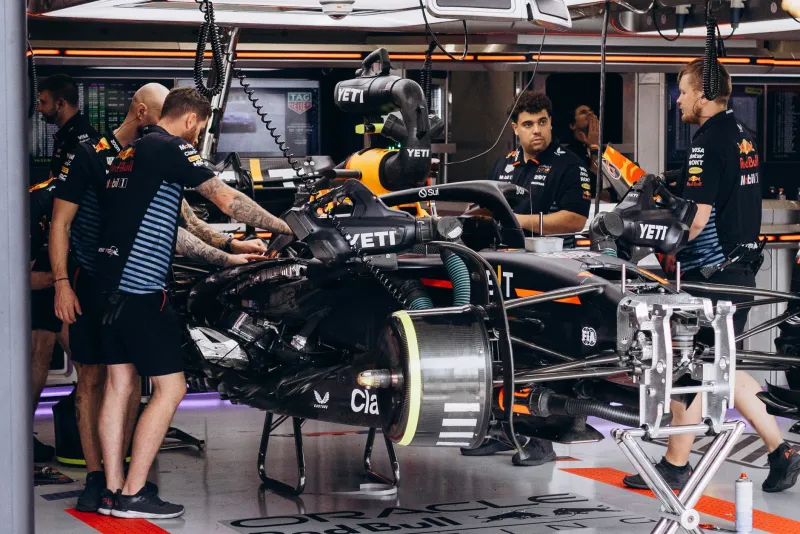
Let's be honest — when most people picture a competitive racing team, they picture a gleaming factory hauler, a wall of engineers staring at laptops, and a budget with more zeros than a phone number. That's the factory-backed world. Polished, powerful, and pretty much untouchable.
Except, lately, it kind of is getting touched.
Across American motorsports — from the ovals to road courses, from NASCAR's Cup Series to IMSA's endurance battles — independent teams are doing something nobody expected: they're showing up, hanging tough, and occasionally outright beating the factory giants at their own game. It's not a fluke. It's a movement.
The Playing Field Was Never Level — And That's the Point
To understand why this matters, you have to understand just how stacked the deck is against independent teams. A factory program doesn't just bring a car. It brings a manufacturer's engineering department, proprietary data pipelines, wind tunnel access, and the kind of sponsorship muscle that keeps the lights on indefinitely. When Ford or Toyota or Chevrolet stamps their name on a program, money flows in ways that independent teams can only dream about.
And yet, independent teams keep showing up. Not just to make up the field — but to compete.
Take the IMSA WeatherTech Championship, where customer-run GTD-class programs regularly mix it up with factory-assisted efforts. Teams operating on shoestring budgets compared to their rivals have found ways to extract every last tenth of a second from machines they didn't design and data systems they've had to build themselves. The results? Podiums. Wins. Championship points that made factory programs sweat.
Same story in NASCAR. While Hendrick Motorsports and Joe Gibbs Racing operate like small aerospace companies, smaller single-car and two-car operations have turned heads with smart strategy calls, tight pit execution, and the kind of creative problem-solving that only comes when you genuinely can't afford to waste anything.
Duct Tape and Ingenuity: The Independent Team Playbook
So what exactly are these teams doing differently? A lot, actually.
Data without the department. Factory teams have entire analytics divisions. Independent teams have a laptop, a sharp engineer, and a lot of coffee. What they lack in quantity they often make up for in focus. Without layers of bureaucracy, decisions happen faster. A setup change that might take three meetings to approve at a factory program gets done in a conversation between a crew chief and a driver.
Strategy as a weapon. When you can't out-resource the competition, you out-think them. Independent teams are known for gambling on strategy — staying out longer on old tires, pitting under green when nobody else will, playing the long game on fuel mileage. These aren't desperate moves. They're calculated ones. And sometimes they pay off in spectacular fashion.
Building loyalty, not just horsepower. Independent teams tend to run leaner, tighter crews. Everybody knows everybody. There's no corporate ladder to climb — just a shared obsession with going fast. That culture breeds a different kind of commitment. Crew members who'd have left for a bigger paycheck at a factory team instead stay because they believe in what they're building.
Crowdfunding and community. This one's newer, but it's real. Some independent teams have tapped into their regional fan bases and social media followings to supplement traditional sponsorship. Think Patreon-style supporter models, merchandise drops, and direct fan engagement that turns casual followers into financial backers. It's not enough to build a championship war chest, but it's enough to keep the lights on and the tires coming.
The Wins That Meant More Than Points
Ask any independent team principal about their biggest result, and the story almost never starts with the trophy. It starts with what they had to overcome to get there.
There's a recurring theme in these conversations: resourcefulness as a competitive advantage. When one team can't afford the latest simulation software, they build their own models. When another can't send aero parts to a wind tunnel, they get creative with computational fluid dynamics tools and real-world testing. The constraints that should slow them down sometimes sharpen their focus instead.
One team principal put it plainly in a recent interview with a motorsports publication: "We don't have the luxury of throwing parts at a problem. We have to understand the problem. And honestly? That makes us better engineers."
That mindset — solving problems with brains instead of budget — is exactly why independent teams occasionally pull off results that leave factory programs scratching their heads.
What It Means for American Racing's Future
Here's where it gets interesting beyond the race results themselves. The rise of competitive independent teams isn't just a feel-good underdog story. It's a structural signal about where American motorsports might be heading.
Factory programs come and go. Manufacturers enter series, dominate for a few years, and pull out when the corporate priorities shift. It happened in NASCAR. It happened in sports car racing. It'll happen again. When those big programs leave, the independent teams are what's left — and if they've been building real infrastructure, real fan bases, and real competitive capability, the sport survives.
There's also a talent pipeline argument here. Independent teams are often where young engineers, crew members, and even drivers get their first real shot. Without that ecosystem, the factory programs would have nobody to hire. The scrappy end of the paddock feeds the polished end, whether the big teams want to admit it or not.
And then there's the fan angle. People love an underdog. Always have. When an independent team beats a factory giant, it creates the kind of moment that gets shared, talked about, and remembered long after the season ends. That's good for the sport, full stop.
The Rebellion Isn't Going Anywhere
Nobody's pretending that independent teams are about to make factory programs obsolete. The resource gap is real and it's wide. But the gap is narrower than it used to be, and the independent teams know it.
Better data tools, smarter engineering talent willing to bet on smaller programs, and a racing audience that genuinely roots for the little guy — all of it is tilting the playing field, even slightly, in a direction that makes things more interesting.
At Harvick Motorsports, we've always believed that passion and ingenuity can punch above their weight class. The independent teams proving that every weekend are living proof. They're not just racing against the clock. They're racing against the assumption that resources alone decide who wins.
So far? They're making a pretty compelling argument.